07
26
LAB OF CULTURAL, CREATIVE AND FESTIVAL JOURNALISM
"Serbian film has fallen" an interview with Radoš Bajić
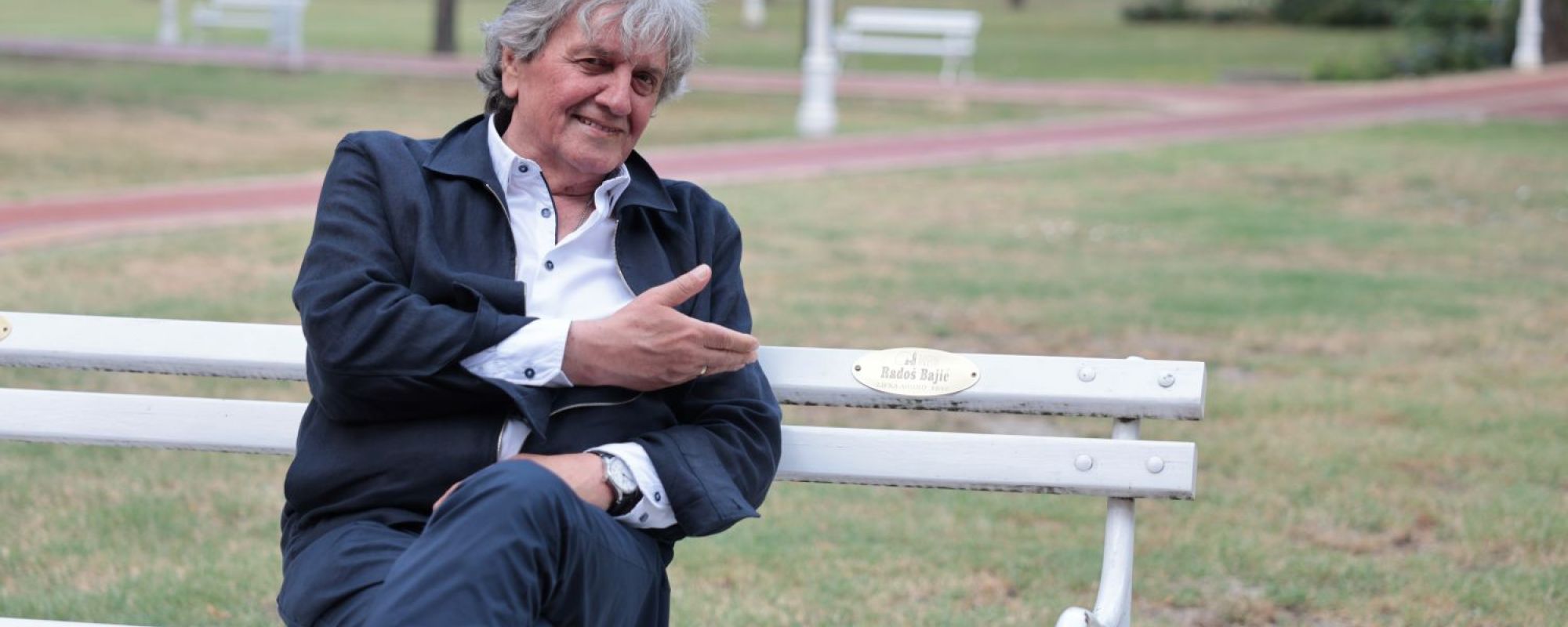
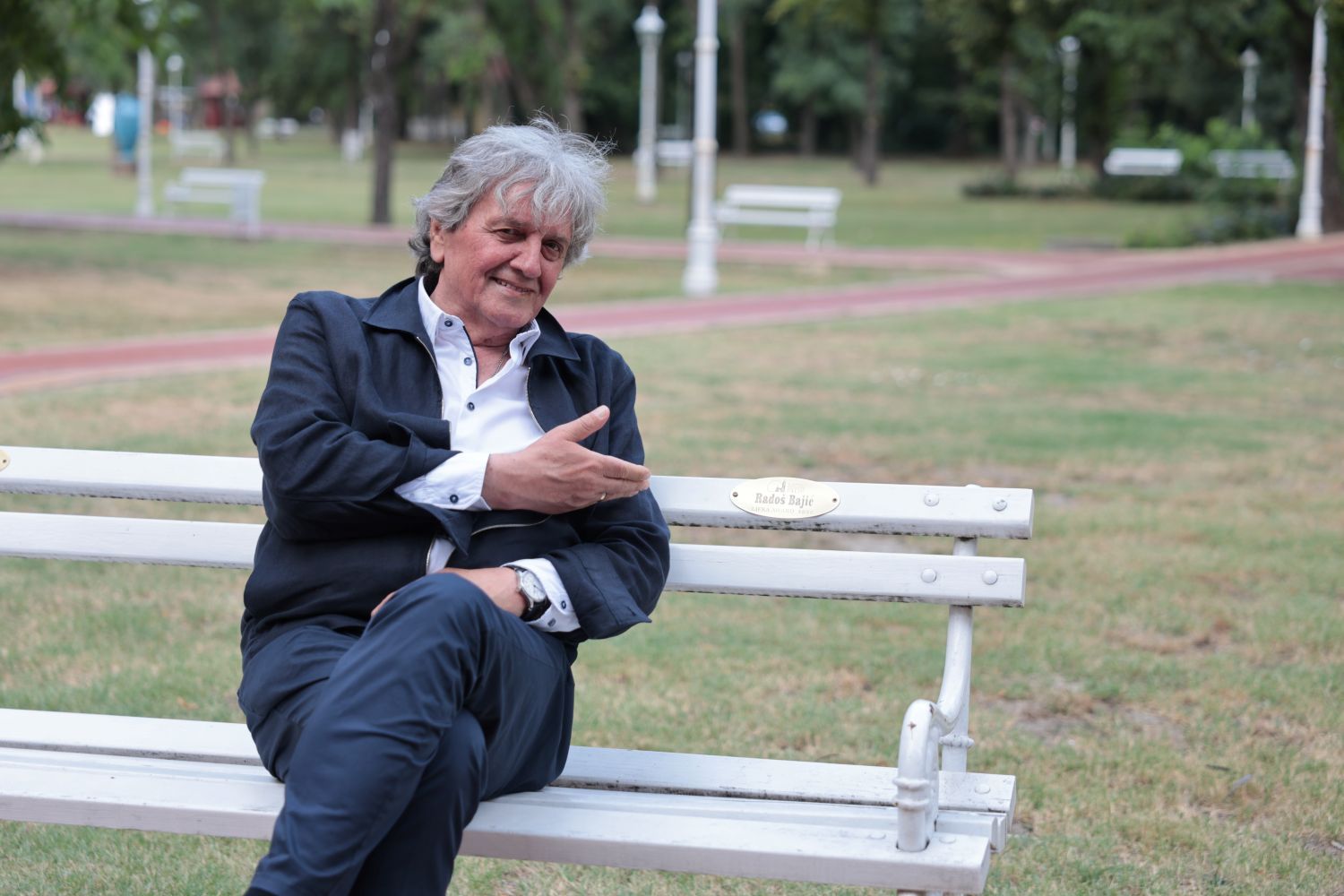
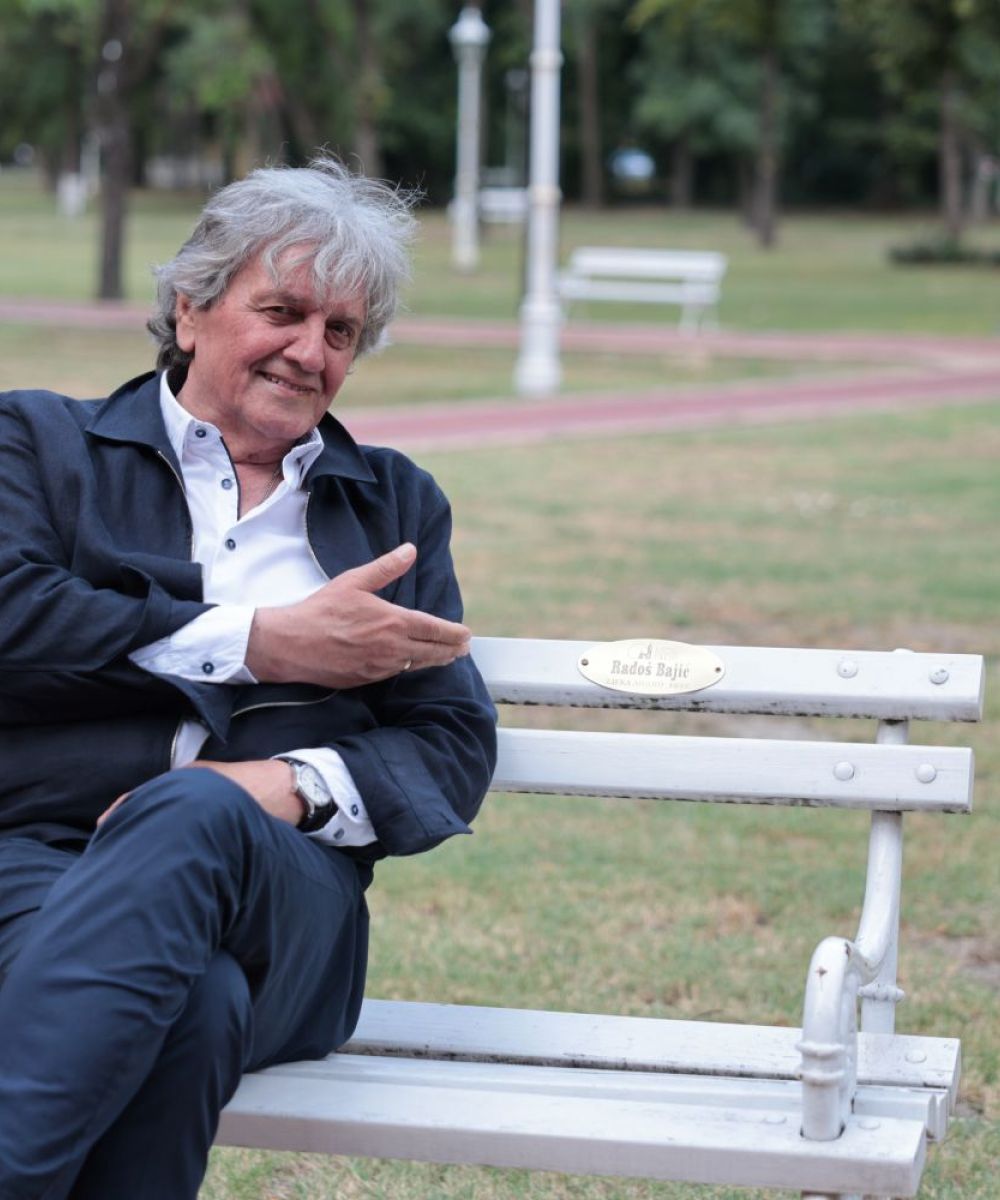
Distinguished Serbian actor, screenwriter, and director Radoš Bajić is one of the two winners of this year “Aleksandar Lifka Award” at the 33rd Palic Film Festival. Throughout his prolific acting career, he has played more than 100 roles and ranks among the most significant and popular actors in Yugoslavian/Serbian cinema and television. by Filip Etmishovski
At a meeting with journalists and guests at the festival before the screening of his latest film as an actor and screenwriter, Echoes of St George, Bajić spoke to us about Serbian cinema today from his extensive experience.
Filip Etmishovski: What does the Lifka award mean to you?
In my professional life of 50 years, I have received a large number of awards, but there are those that define professional results and what I have done. And among those awards is the Lifka. I hope that I am worthy of it.
What is the state of Serbian cinema today?
There is a false image that a lot is being done in Serbian production at the moment. The dispersion of television content and series also contributes to this. Everything is done quickly and the series premiere in five weeks. It can't be like that, and unfortunately it has also affected the film as a format. The situation in Serbian cinema is critical, and with my biography I have the right to say that. If you were to go out into this park in Palić now and ask passersby for some titles of today's TV series, 90 percent would be stumped. And if you were to ask about Vruć vetar (1980) they would immediately think of actors like Šurda and Smoki. Film has in a way retreated in relation to the hyperproduction of TV series, and it leaves no trace. Serbian film has fallen. The question is whether it will stand up.
Was filmmaking different back then?
Since I come from the former, great Yugoslav cinematography, I would like to remind you that once 16 to 20 films were produced per year - from Vardar to Triglav. But those were films that you still recognize today, that marked a time and a social moment. The tendency to forget titles that were made in the last decade is normal. In 1975, I shot Sarajevo Assassination. That film was prepared for two years, and shot for a year. And today everything is quick and short, sloppy, and that's why there are no results.
Does Serbian cinema still have its artistic freedom?
Cinematography has not managed to achieve autonomy. Today, it is the political factor that makes the decisions about who will film, when and what. That is not good. At one time, I supported the idea that the Film Center of Serbia should allocate special funds
for a film with a national theme, because I believe that the state has some kind of supervision over what will be financed with taxpayers' money. But that should be done by professional bodies. But today, if you do not secure political support for your project, you will never film it. I want to believe that there will be a change and that talented young people who can make a great contribution to Serbian and European cinema will get the opportunity to use Serbian taxpayers' money. But our tonight film is so "bad" and the script was "bad" that the film fund rejected it four times! Naturally, because we didn't know who to call to make sure it wasn't rejected....
5th Lab of Cultural, Creative and Festival Journalism
European Film Festival Palić 2026