10
26
LAB OF CULTURAL, CREATIVE AND FESTIVAL JOURNALISM
FILM REVIEW: Found & Lost
> The film has been nominated for the MIOB IN SHORTS AWARD 2026
Reza Rasouli’s short film, which won the Best Short Movie award at the 37th Trieste Film Festival, tells the story of a struggling Syrian immigrant in Austria. by Marcello Casalino
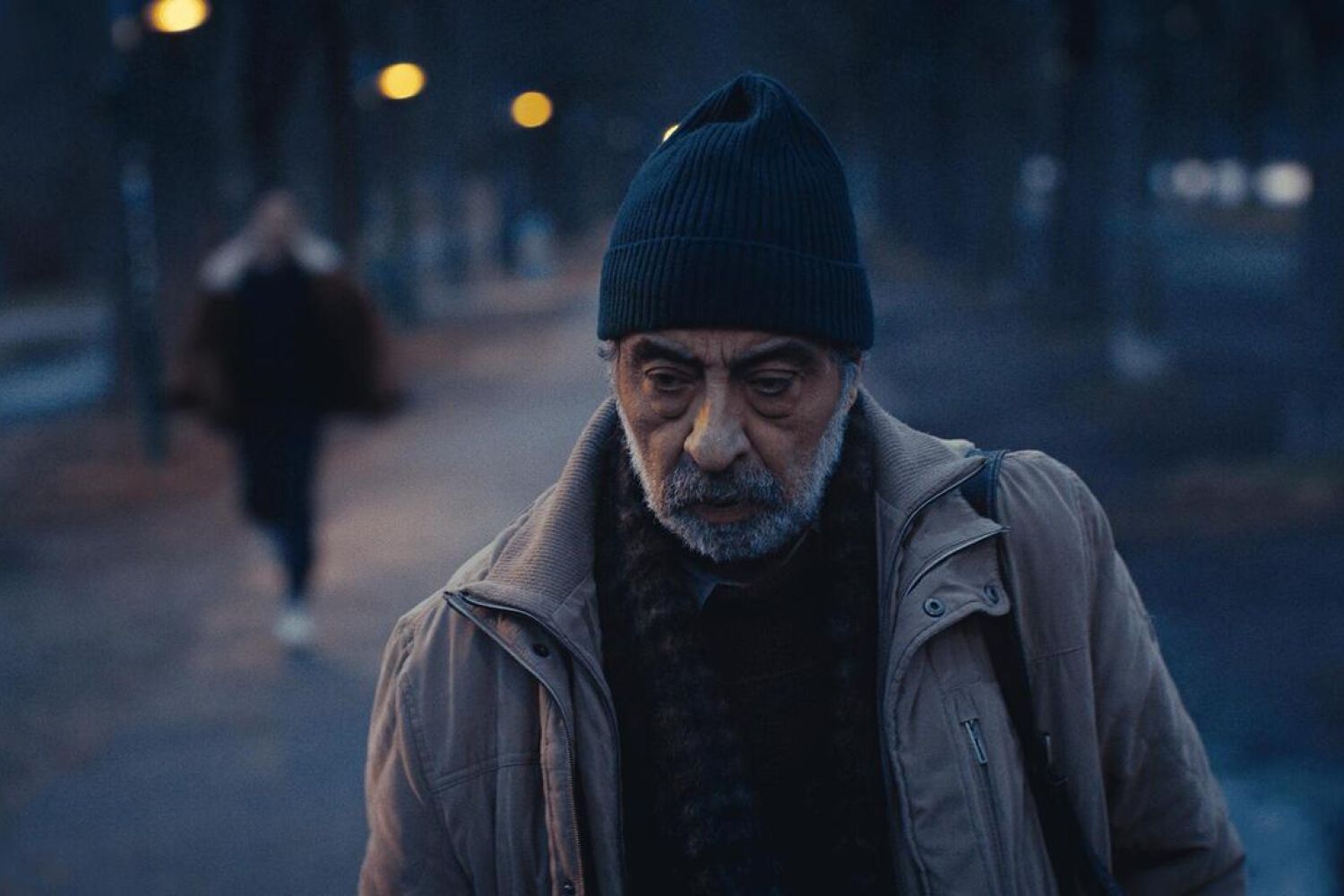
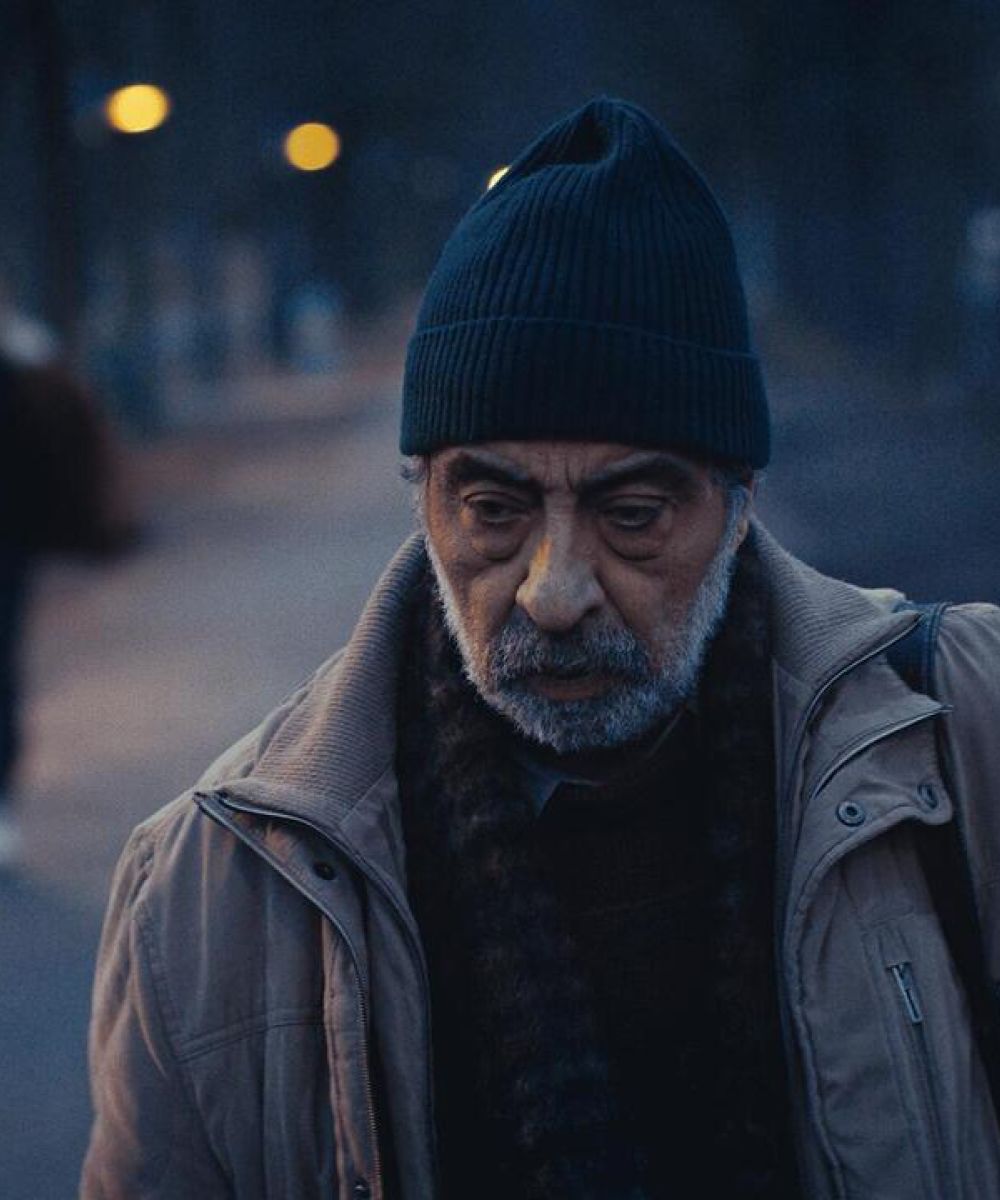
Tamim, a 70-year-old father, works as a toilet cleaner in a club. During one of his shifts, he finds a wallet, only to lose it soon after. The wallet belongs to an Austrian citizen, and Tamim’s mistake triggers a series of confrontations with the wallet’s owner, his employer, and the rule-obsessed society around him. To preserve his personal identity, Tamim rebels by creating circumstances that force the rules to bend.
Director Reza Rasouli deliberately avoids the circular narrative structure common in short films to emphasize that the conflict in the story arises from an individual’s refusal to surrender their identity, not from repetition or fate. Austria was among the European countries that received the largest number of Syrian immigrants after the civil war. Vienna, in particular, has developed a rich multicultural fabric, with strong Turkish and Syrian communities influencing local perceptions. The broader public sentiment toward immigrants has often been portrayed negatively by the media, leading to political shifts, such as the election of far-right parties, in response to immigration concerns.
Austrian identity remains strongly tied to adherence to strict rules, many of which were established during and after World War II and passed down by older generations. For Syrian immigrants who fled a war-torn country where survival depended on instinct rather than strict
order, this rigid culture presents a unique challenge. Austria is often associated with cold weather and a reserved, distant demeanor, while Syrians are accustomed to hot climates and expressive behavior. In the film, Tamim’s struggle to adjust socially is visually expressed when he returns home and slowly peels off multiple layers of clothing.
For a Syrian trying to live in Austria, breaking certain rules is not criminal behavior, but a survival strategy learned from past experiences. Tamim’s family, on the other hand, seeks stability and integration, even lying to him to prevent him from clashing with societal norms. His daughter’s construction of a wooden crib symbolizes her desire to establish roots inAustria and secure a stable future. Tamim’s journey begins with him observing the world from a train window: detached yet appreciative. Over time, he becomes less passive and ultimately sits in his home, turned away from the window, asserting his agency by having his wife open it, allowing the outside world to enter on his own terms.
The film’s main setting highlights a decisive contrast: clubs are spaces where instinct and spontaneity often prevail over rigid social rules. This allows the director to demonstrate that not all Austrians are strict rule-followers. Even the owner of the lost wallet harbors secrets, such as possessing drugs, challenging the stereotype of strict moral order. While the protagonist quietly struggles to survive in a narrow, noisy and confusing space, Austria publicly grapples with the politics of immigration. The individual difficulties depicted in the film reflect larger societal tensions, as policies and public opinion influence how immigrants are perceived and treated.
In July 2025, the Austrian government deported a Syrian criminal to face justice in his home country, marking the first such case in 15 years. This action has sparked widespread concerns about the future of asylum applications in Europe and the growing populist sentiment toward
immigrants. Media narratives are increasingly using immigration as a scapegoat for broader government issues. As a person of Italian and Austrian descent, I have family members in Vienna who view Middle Eastern immigrants as dangerous and often stigmatize “anyone who has a beard.”
Ignorance is rarely a choice; it is often enforced by social narratives. The only way to counter it is to inform ourselves and challenge what we take for granted. Reza Rasouli, an Iranian immigrant living in Austria, uses cinema not only to show what life is like for someone in his position, but also to make nonimmigrant audiences feel the constant pressure to adapt to a world they are obliged to navigate yet cannot fully understand.
Found & Lost portrays both cultures equally and without judgment, showing neither as better nor worse. It carefully includes both perspectives: Austrians, who are deeply attached to rules and outdated social norms, and Syrians, who push against these rules. This illustrates why
coexistence can be difficult, but also how it could work if both sides made an effort.
While both cultures carry the heavy ghosts of their past, Rasouli’s emerging vision reclaims media that was once used to portray immigration as a threat, transforming it into a tool that advocates for a more lenient and accepting society. One that allows individuals like Tamim to preserve their individuality without conflict, fostering mutual understanding and multiculturalism.
Lab of Cultural, Creative and Festival Journalism
Trieste Film Festival 2026