08
26
LAB OF CULTURAL, CREATIVE AND FESTIVAL JOURNALISM
FILM REVIEW: Eraserhead in a Knitted Shopping Bag
When someone hears about David Lynch's Eraserhead, they rarely associate it with post-socialist Bulgaria. However, this is the time and place where an interesting phenomenon occurred that connects the two. For Bulgarians of the 1990s, the surreally nightmarish 1976 classic was not an outlying exception but rather seen as another example of the incoming Western (European/American) culture. by Lachezara Yordanova
Children who grew up even a decade later have heard stories about of the way foreign films became a crucial part of nineties childhoods (via pirated copies obtained through video-library shops). The shortage of access to this type of material before 1989 made each new arrival seem special. This kind of appreciation of the media can be sensed in Lili Koss's short Eraserhead in a Knitted Shopping Bag.
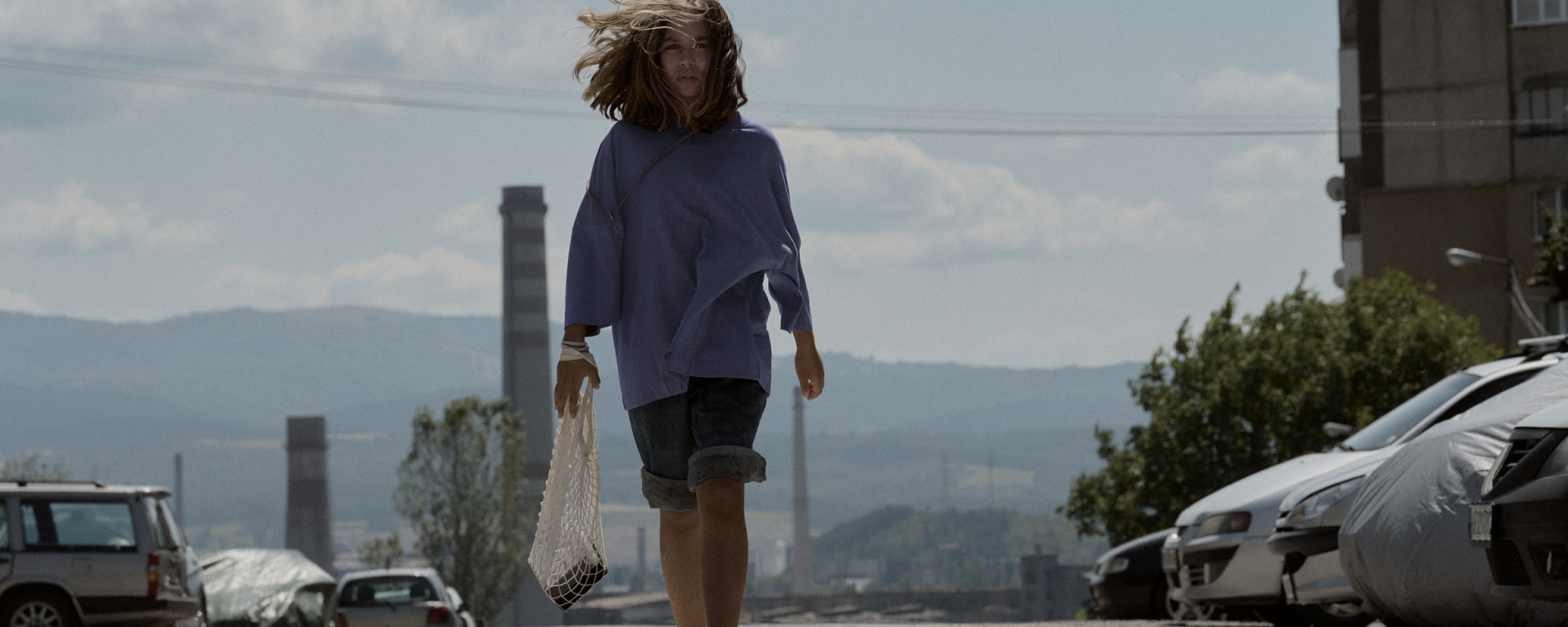
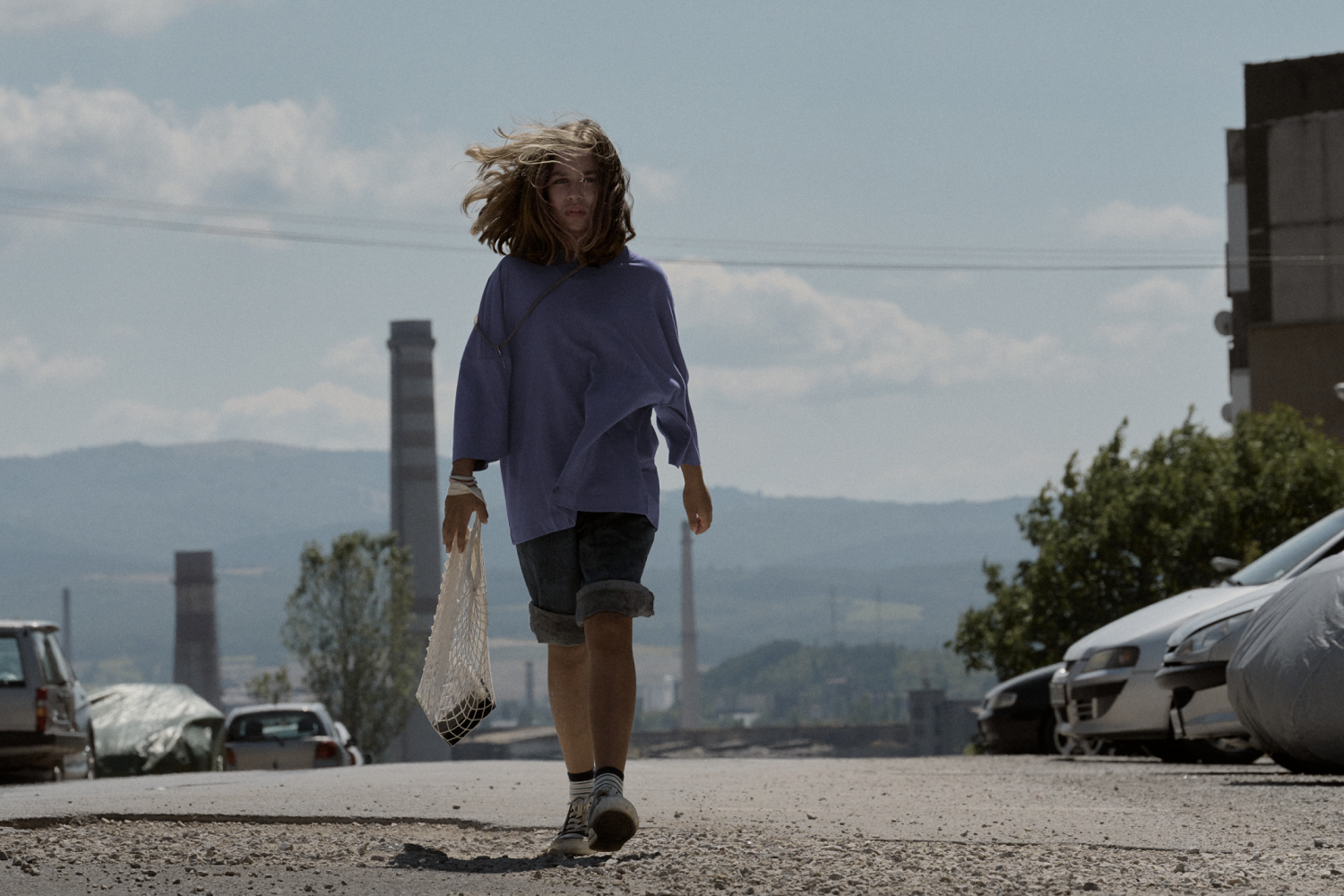
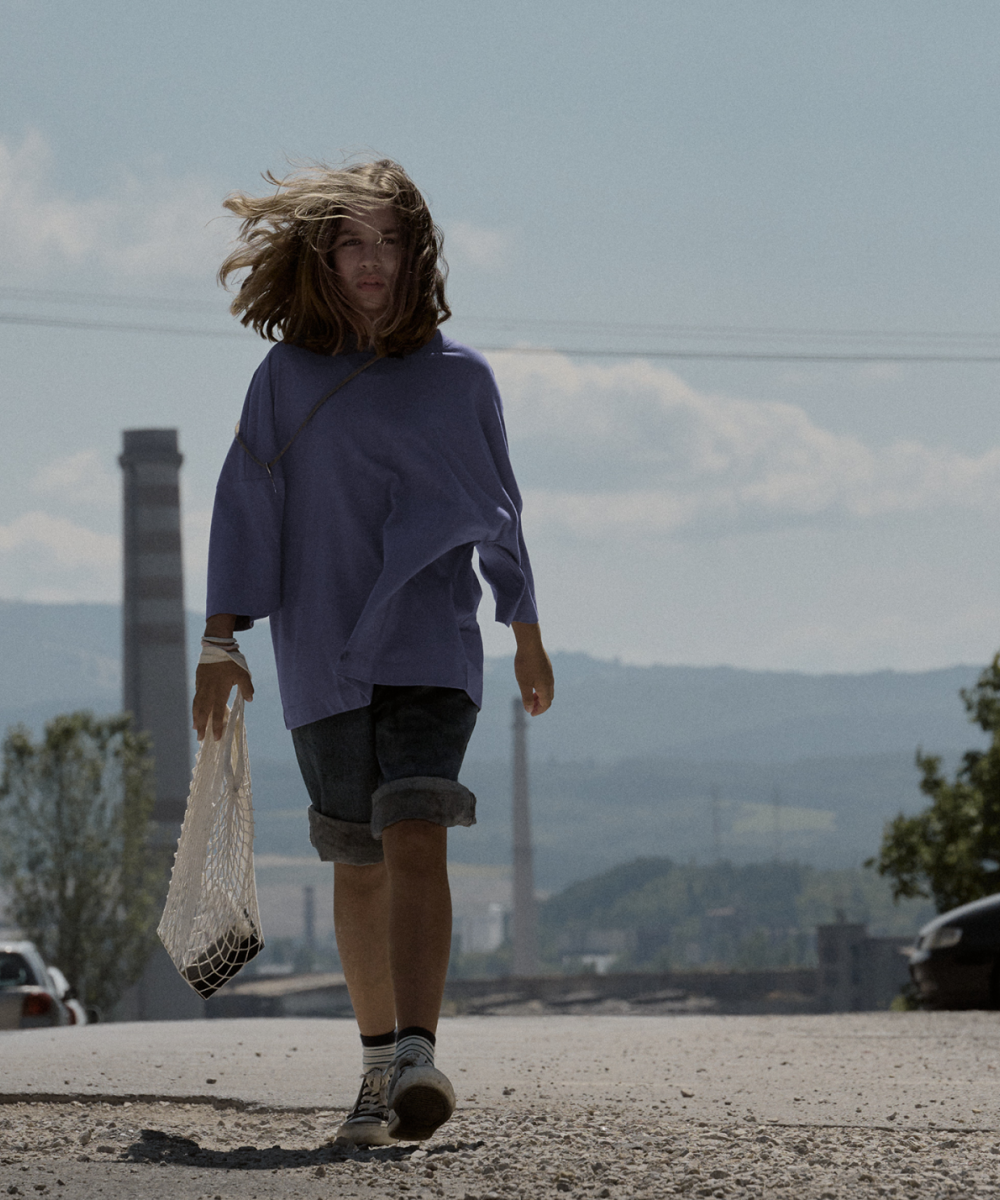
The writer-director captures the nostalgia of those times. However, her narrative certainly does not glamorise “the good old days.” 12-year-old Ro (Elena Zdravkova) has one mission — to get her hands on the first (pirate) copy of Eraserhead delivered in her hometown. Her fixation on this goal proves handy when her real life becomes increasingly uncertain. Through one girl's obsession with imaginary stories, Koss's film depicts how eager for escape and escapism some people were — and indeed still are.
We spend most of the 19-minute running-time watching well-composed frames of a small town near a factory (the skies are cloudy), through which the protagonist moves as if she were a video-game avatar. The way characters interact with each other nevertheless feels highly authentic, such as in the opening scene in which a dialogue between Ro (down below) and her best friend (up on a balcony) is conducted through shouting.
The absence of adults might remind the viewer of pictures with lighter themes aimed at children. The decision to avoid depicting grown-ups is, however, used as a way to emphasise the way these youngsters were obliged to raise themselves. This lack of parental figures (we hear about a mother who works 12-hour shifts) enables the filmmakers to depict the freedom and chaos amid which working-class children grew up. Eraserhead in a Knitted Shopping Bag provides an insightful perspective on the ways art can provide comfort. Koss pays tribute to our ability to relate to plots, setting and characters which may seem radically different from our own circumstances.
5th Lab of Cultural, Creative and Festival Journalism
European Film Festival Palić 2026