07
26
LAB OF CULTURAL, CREATIVE AND FESTIVAL JOURNALISM
FILM REVIEW: Desert, She
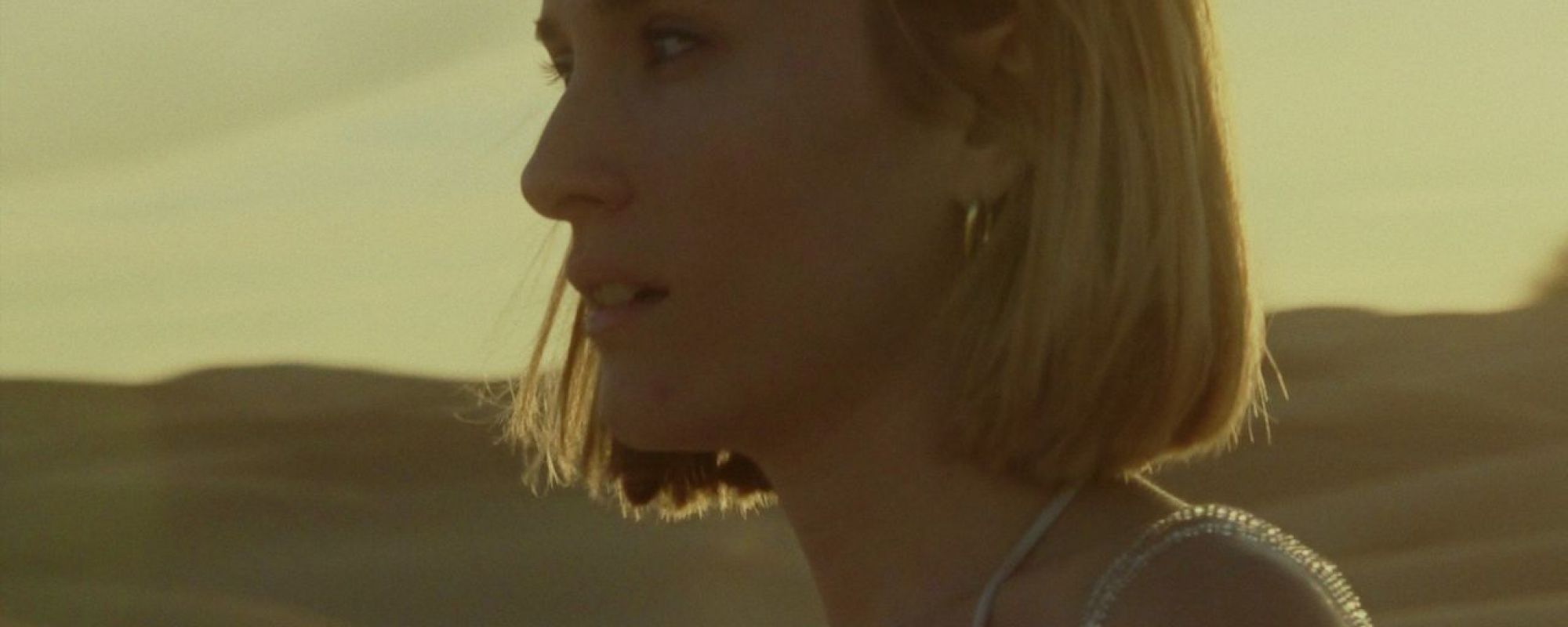
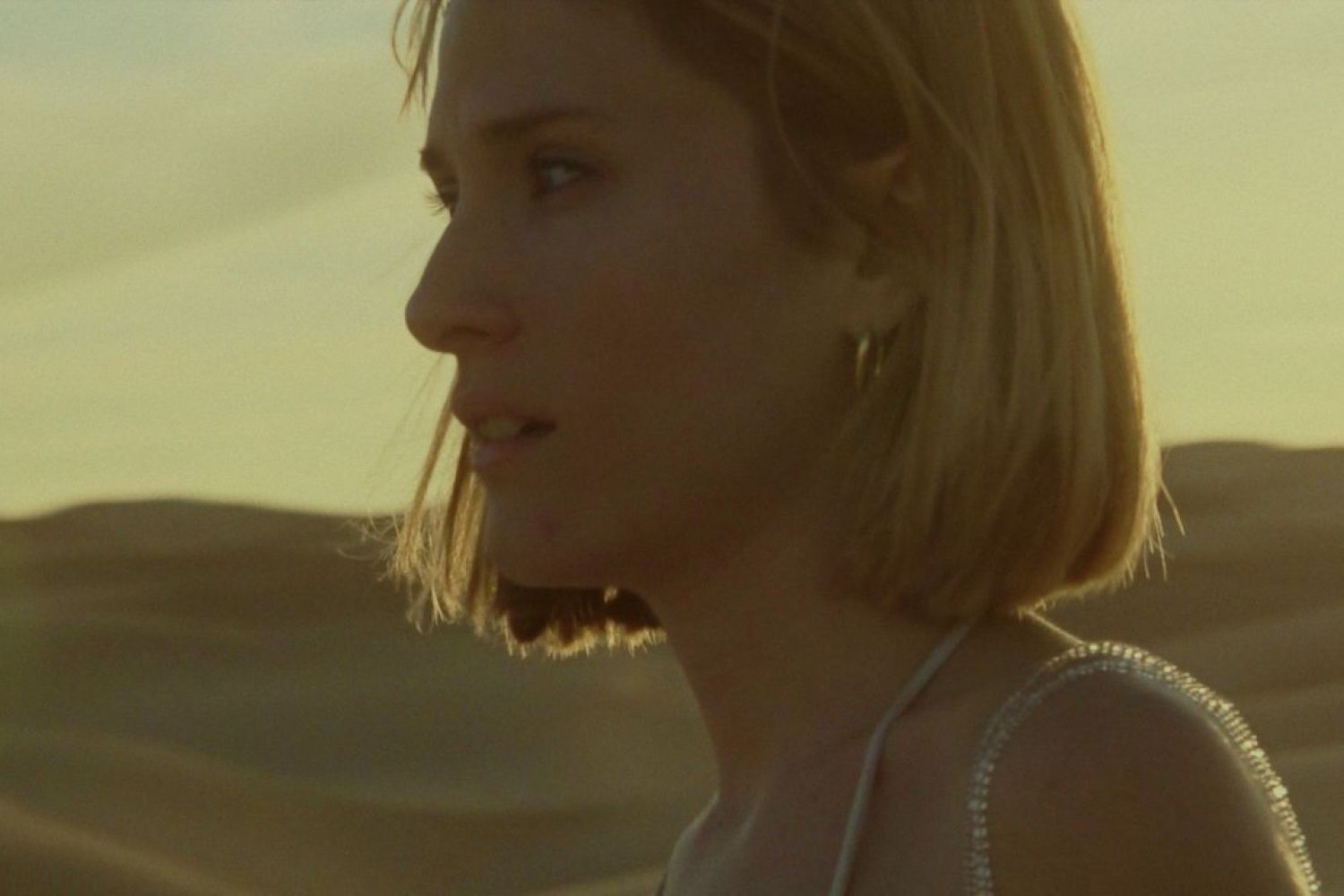
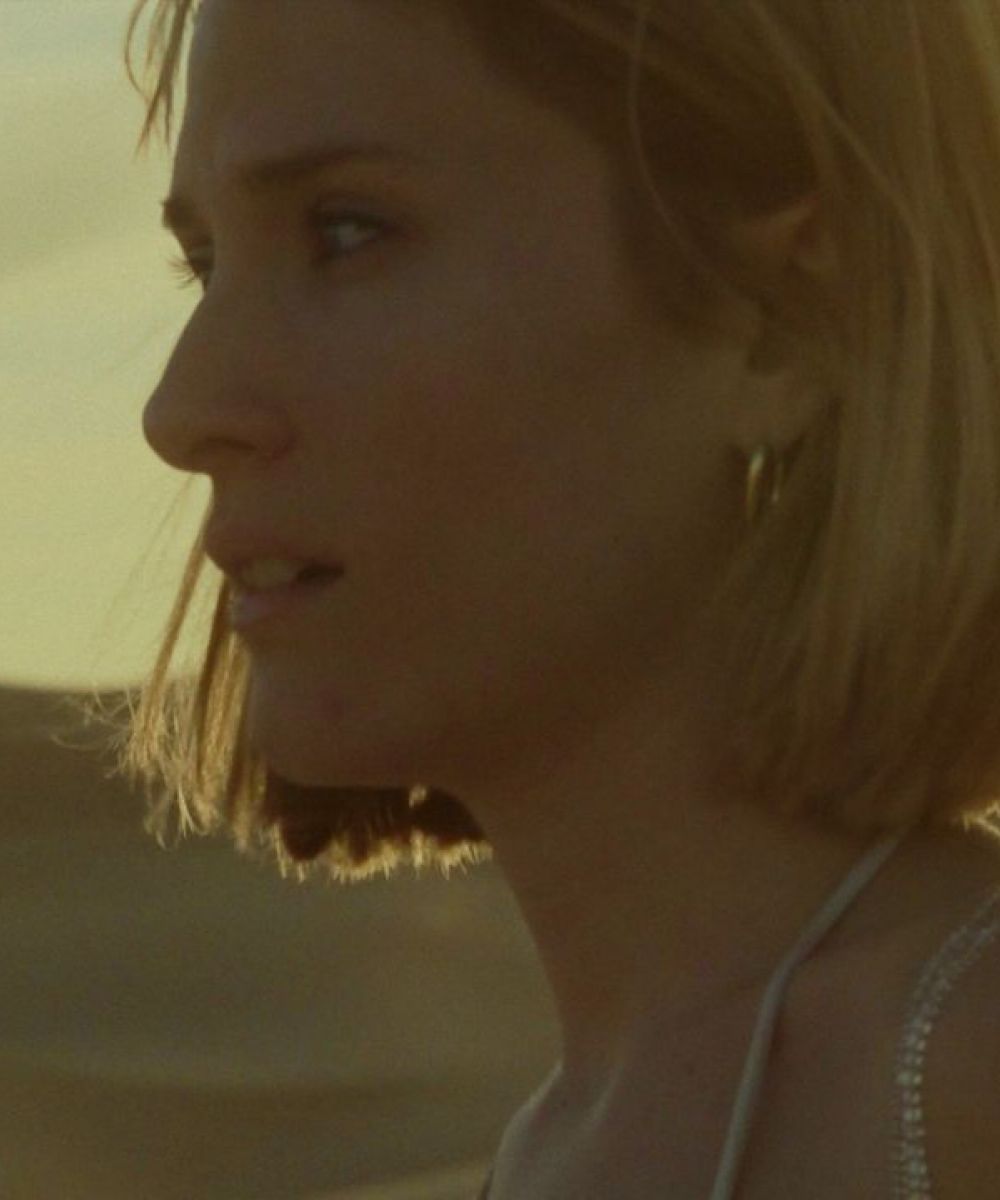
Desert, She by Greek writer-director Ioanna Digenaki follows a day in the life of Klea and her two roommates over a 14-minute running-time. Water is shut off during the summer in Athens, and although this is a recipe for domestic inconvenience and frustration, the characters seem to use the opportunity to reflect on their life issues. by Lachezara Yordanova
Desert, She by Greek writer-director Ioanna Digenaki follows a day in the life of Klea and her two roommates over a 14-minute running-time. Water is shut off during the summer in Athens, and although this is a recipe for domestic inconvenience and frustration, the characters seem to use the opportunity to reflect on their life issues.
Through close-ups, shots following the group from behind — and details of the mundane routines of other people in city — the viewer starts to feel like a part of the group. The three young people are a bit disconnected from their emotions. This mindset is clearly shown by the way they choose their activities for the night.
It seems like they are not looking for a way to spend their time but to kill it. That unsurprisingly leads to a few meaningless conversations which take place only to highlight the absence of excitement.
The lack of water inspires a conversation about the way dogs have the ability to smell fear. This gives Klea a whole different perspective on communication. She expresses her desire for people to have the same talent as dogs.
The situation in Athens directly corresponds with her inner world. It seems like the dryness of her routine started long before the water shortage.The film begins with Klea spotting a lost-dog notice on a wall; she calls the owners of the dog, even though she hasn't seen it and therefore can`t help them. This act exposes her own need for connection.
The conversation with the dog-owners is pointless for both parties, but the image of the dog stays with Klea long after. She then hallucinates about being in a desert, the only other creature there being the dog — showing her disconnection from everyone else.
Klea and the dog, both lost, find each other in the desert, away from the jungle of reality. Desert, She effectively encapsulates the Athens drought on one hand in its physical aspect but more effectively the one in Klea`s emotional world.
Review by Daniel Morawitz
Many people in their twenties may experience the feeling of being like a lost dog in a desert. This is the state of mind that Ioanna Digenaki, writer-director Desert, She tries to convey in her small-scale coming-of-age short.
Klea and her roommates, Melina and Kostis, roam the city. It is hot, there seems to be no running water anywhere, and they smell — not yet stink, but close. A classic case of those summer days where you seem to have nothing going on and the brain just fries away in the scorching rays of light. The trio ends up at a party, have random conversations with coked-out strangers, and end up falling asleep together, just the way they started the day.
Desert, She is a typical example of those mumblecore festival-shorts where the grand theme of the film is made clear within the first few minutes — and then it’s off to the races for the director to indulge the audience in that specific vibe for the remaining runtime.
The film doesn’t want to convey a message per se but is more interested in conveying a feeling and state of mind that is itself still loaded with message and meaning — even if the director may feel "above that". Festival audiences have seen these sorts of film-school shorts many times, and many times it’s the same sentiment about how confusing and random being a young adult can feel.
The formula is often: have aimless Gen-Z/Millennial type of figure, give them a group of characters to interact with, and throw in a potent visual metaphor.
Sound familiar? Where a film of this kind shines is through the point of view of the director.
We already established that, emotionally, the film didn’t break new ground, but how about formally? There are glimpses of experimentation in that regard here. We see what Klea sees in quick cutaways of city life: brief impressions of reality happening outside her realm and a accurate representation of the mind wandering while walking through a heated concrete wasteland.
While Desert, She may not reinvent the wheel, and the film falls into the conventions of festival student-shorts that can almost be their own genre, Digenaki still manages to create a personal point of view through her characters and visual grammar.
5th Lab of Cultural, Creative and Festival Journalism
European Film Festival Palić 2026